

PJ Woodland Has 11 Pass Breakups—LSU’s Boundary Test Against Alabama

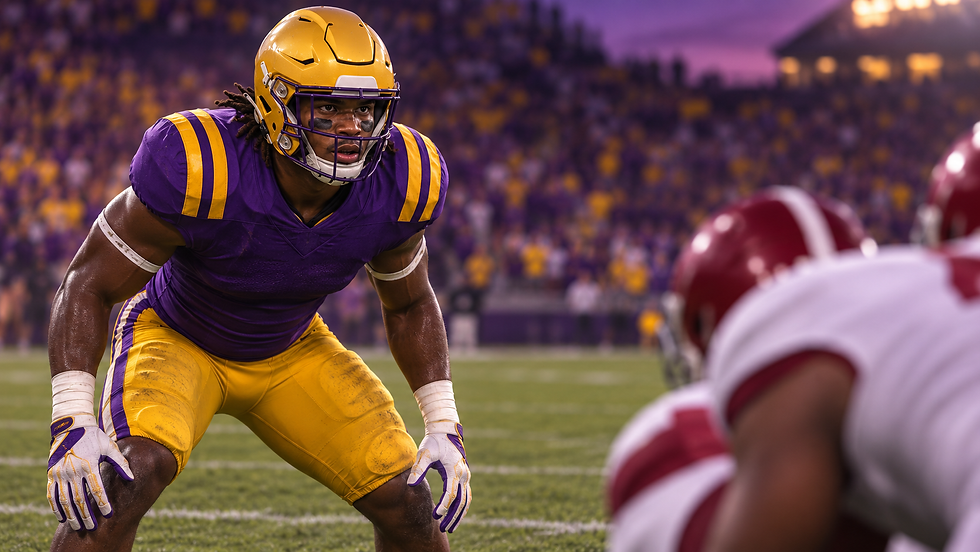
PJ Woodland’s season is a study in disruption. The ball does not have to become an interception for the LSU cornerback to erase the result Alabama wanted.
Quick Answer
PJ Woodland has 11 pass breakups, 31 tackles and one interception through LSU’s first eight games of 2026. Those numbers make the LSU cornerback a central piece of the November 7 matchup with Alabama: he has repeatedly challenged throws at the catch point while helping a Tigers defense that allows 172.8 passing yards per game. The test is converting that production into disciplined, penalty-free boundary coverage.
What do PJ Woodland’s 11 pass breakups show?
According to LSU’s official cumulative statistics, Woodland has broken up 11 passes through eight games. He also owns 31 tackles and an interception. The TigerHype team-stat tracker provides the broader frame: LSU is 6-2 while allowing 172.8 passing yards per game.
A pass breakup measures more than activity near the football. It can be the final result of patient leverage, route recognition, closing speed and timing. Woodland’s total says quarterbacks have tested his area and that he has repeatedly finished the rep without surrendering a completion.
That matters against Alabama because boundary throws often function as efficient answers. A quarterback can take the matchup outside, ask the receiver to win one-on-one and avoid the congestion inside. Woodland’s job is to make those throws expensive without giving away free yards through panic or contact before the ball arrives.
Why is the Alabama matchup a boundary test?
The LSU pass-defense breakdown explains the standard the Tigers have already established. LSU has allowed only four passing touchdowns through eight games, and the defense has survived by limiting clean explosives while forcing offenses to string drives together.
Alabama can challenge that formula in layers. If LSU crowds the run fit or adds pressure, the outside corner must handle more space. If LSU keeps two safeties high, Woodland still has to deny easy access throws and tackle immediately. Every coverage choice eventually puts a premium on the cornerback’s technique.
Woodland’s 11 breakups give LSU evidence that he can play the football. They do not eliminate the risk. The next step is controlling the top of the route, avoiding unnecessary grabs and understanding when safety help is present. One lost leverage rep can undo several strong snaps against an offense capable of attacking the entire field.
How can LSU use Woodland without changing his job?
The best plan may be the least theatrical one. LSU does not need to manufacture a special package around a cornerback who is already producing. The Tigers need the front and coverage to work together so Woodland can play with clear rules.
Pressure can shorten the quarterback’s clock and turn vertical routes into rushed decisions. Disguised safety rotation can muddy the pre-snap picture. Firm inside leverage can send a receiver toward the sideline, effectively shrinking the target window. Woodland’s ball skills become most valuable when the rest of the defense makes the throw arrive on LSU’s terms.
Personnel context matters, too. The TigerHype depth-chart tracker shows how the secondary pieces fit together, while Faheem Delane’s safety-pressure role gives LSU another way to change the quarterback’s picture. If Delane attacks the pocket, Woodland must know immediately what protection remains behind him.
What must PJ Woodland avoid against Alabama?
The first danger is chasing the stat. Eleven pass breakups are the product, not the assignment. A cornerback who lunges for every football can become vulnerable to double moves, back-shoulder throws and late hands from the receiver. The disciplined win is staying connected through the route and playing through the catch point.
The second danger is turning a competitive rep into a penalty. Boundary coverage invites contact, especially when the receiver and defender are both locating the ball. Woodland must keep his eyes and hands under control so LSU does not exchange a difficult completion attempt for automatic first-down yardage.
The third danger is the tackle after a short completion. Alabama will not need to win vertically on every snap if a hitch, speed out or screen becomes an explosive after the catch. Woodland’s 31 tackles are relevant here: his coverage assignment continues until the ball carrier is down.
What changes for LSU if Woodland wins outside?
If Woodland can deny the boundary without constant safety help, LSU gains flexibility everywhere else. A safety can lean toward the middle of the field, the box can hold an extra run defender, and pressure can arrive from less predictable locations. One dependable outside matchup can change the arithmetic of the entire call.
The stakes and logistics are set. The LSU–Alabama game guide has the November 7 kickoff, television and venue details. On the field, Woodland’s most important number will not be a preseason projection or reputation. It will be how often Alabama looks to his side and comes away with nothing.
PJ Woodland vs. Alabama FAQ
How many pass breakups does PJ Woodland have in 2026?
PJ Woodland has 11 pass breakups through LSU’s first eight games of the 2026 season, according to LSU’s official cumulative statistics.
How many tackles does PJ Woodland have?
Woodland has 31 total tackles through eight games, including 24 solo tackles and seven assisted tackles.
Does PJ Woodland have an interception in 2026?
Yes. Woodland has one interception in LSU’s first eight games of the 2026 season.
When does LSU play Alabama in 2026?
LSU hosts Alabama on Saturday, November 7, 2026, at 2:30 p.m. Central in Tiger Stadium on ABC.
What should LSU fans watch?
Watch Woodland’s leverage before the throw and his eyes as the ball arrives. If he stays square, forces the route toward the boundary and plays the catch point without grabbing, LSU can trust him with difficult snaps. That trust would give the Tigers more freedom to attack Alabama elsewhere.


Comments